Church Safety & Security
In today’s world, risk is no longer confined to distant places or rare circumstances. It can present itself anywhere and at any time, including houses of worship. Churches remain open, welcoming spaces, yet they also carry a sacred responsibility to care well for the people entrusted to them.
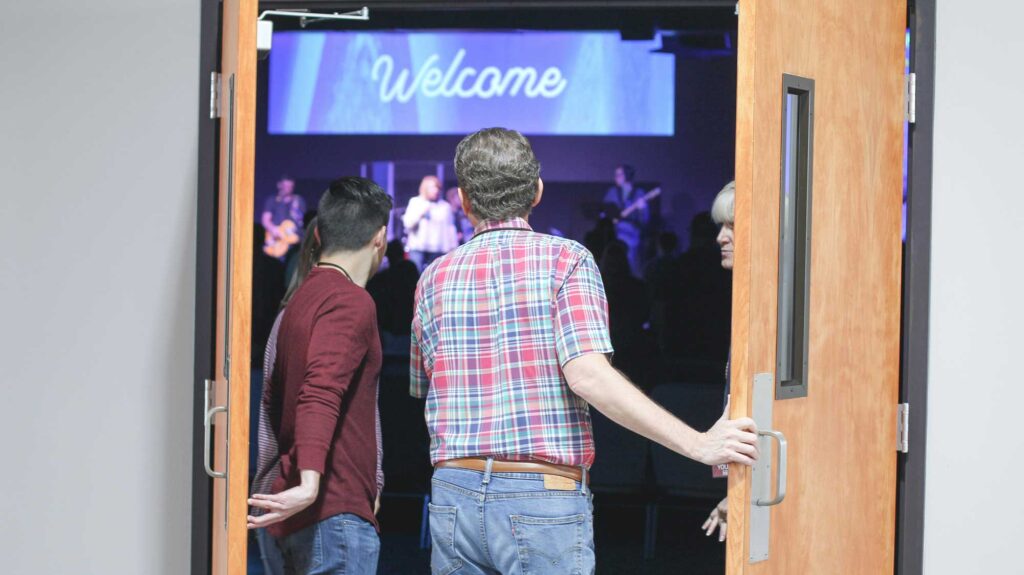
A Ministry of Stewardship, Care, and Preparedness
The decision to establish a church safety ministry is a significant one. The decision is filled with implications for your congregation’s well-being, public witness, and long-term mission. Concilium believes that safety and security within the church must never be reactionary, fear-based, or disconnected from the Gospel. Instead, safety and security must be rooted in biblical theology, guided by mission, and expressed through wise stewardship.
Security in the Context of Ministry
Concilium approaches church safety through the lens of Security in the Context of Ministry (SICM). This framework recognizes that security is not about eliminating all risks, which is an impossible task. Instead, a biblically rooted framework is about reducing uncertainty towards safety and security in the local church so ministry can flourish. A faithful safety ministry acknowledges both God’s sovereignty and our responsibility to act wisely with the people, resources, and reputation the Lord has entrusted to the Church.
Before recruiting volunteers or purchasing equipment, Concilium urges churches to first develop a shared understanding of risk as it relates to their unique mission, values, theology, and community context. Effective church safety begins not with tactics, but with alignment between leadership, theology, and practice.
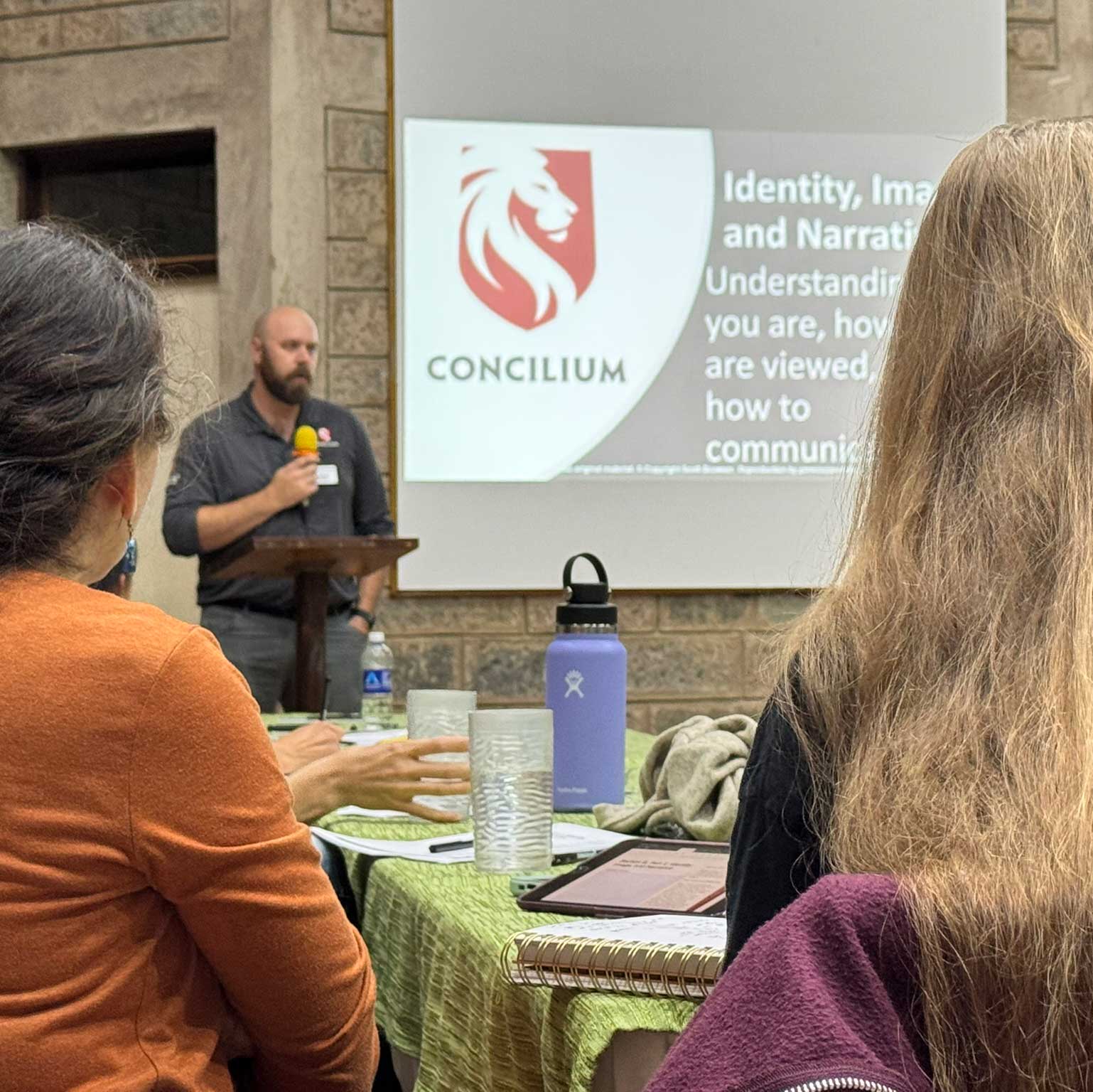
Building a Strong Foundation
When establishing or strengthening a church safety ministry, Concilium helps churches focus on three essential foundations:
1. Understanding Risk Through Mission and Values
Every church is different. Location, size, demographics, ministries, and community dynamics all shape risk exposure. Concilium helps church leaders assess vulnerabilities and threats in a way that honors their calling, avoids overreaction, and resists complacency.
2. Establishing Policies, Plans, and Procedures (P3s)
A healthy safety ministry is built on clear, written guidance. Concilium assists churches in developing policies and procedures that are legally sound, ministry-appropriate, and scalable. These include incident response protocols, communication plans, team roles, coordination with local authorities, and leadership decision-making frameworks.
3. Recruiting and Training the Right Team
Church safety teams are not law enforcement units. They are ministry teams made up of men and women who understand hospitality, compassion, restraint, and discernment. Concilium emphasizes careful selection, role clarity, and training that prioritizes prevention, de-escalation, and effective response over force.
Prevention That Enables Ministry
Concilium views safety as an enabler, not an obstacle, to ministry. Through intentional design and preparation, churches can reduce the likelihood and impact of incidents while preserving an atmosphere that is welcoming and Christ-centered.
Our approach emphasizes prevention through:
- Education – equipping staff and volunteers to recognize risks and respond wisely
- Detection – identifying concerning behaviors or conditions early
- Analysis – understanding patterns, vulnerabilities, and warning signs
- Deterrence – creating visible, non-threatening safety measures
- Response – preparing for calm, coordinated action when incidents occur
When done well, these efforts protect existing ministries and create space for growth—without turning the church into a fortress.
Training Topics
Concilium’s church safety training is designed to build competence, confidence, and theological clarity. Topics commonly include:
- Security in the Context of Ministry
- Theology of Risk, Suffering, and Violence
- Church Safety Ministry Visualized
- How to Start or Strengthen a Church Safety Team
- De-escalation and Maintaining Personal Control
- Situational Awareness for Ministry Environments
- Resilience and Psychological First Aid
- Leadership, Communication, and Decision-Making Under Stress
- And more, tailored to your church’s needs
Policy and Procedure Development
Concilium also assists churches with developing or refining safety policies and procedures, including:
- Legal considerations specific to your state
- Appropriate size, structure, and scope of a safety team
- Communication and coordination protocols
- Incident response and post-incident care
- Integration with pastoral leadership and existing ministries
Our goal is to help churches move from informal, personality-driven safety efforts to durable, sustainable systems that serve the church well over time.
A Christ-Centered Ministry of Care
Concilium believes that a safety and security program must always be ministry first. A church safety program should reflect the character of Christ, marked by wisdom, humility, courage, and love for neighbor. It should enable worship, discipleship, outreach, and hospitality, not hinder them.
If your church is considering establishing a safety team, or if your church already has a safety team and desire training, guidance, or improvement, Concilium is honored to help. From theological foundations to practical implementation, we partner with churches to prepare for the unexpected while remaining faithful to their calling.
If you have questions, are interested in training, or would like assistance developing policies and procedures that meet the needs of your church, contact Concilium. We would be honored to serve you.
Subscribe to Concilium Insight
Insight Digest
Monthly
Members of American churches can receive the monthly Insight Digest covering events and topics related to safety and security for local churches, local outreach ministries, and both domestic and international short-term travel.
Insight Digest is $35 a year per subscriber
Group rates available for churches